Redaction method
Blur vs. black box: which screenshot redaction is safer?
Blur looks polished, but it intentionally preserves shapes and context. A solid block removes more information from the selected area. Choose based on what an observer must not learn—not on which effect looks better.
Try solid black-box redaction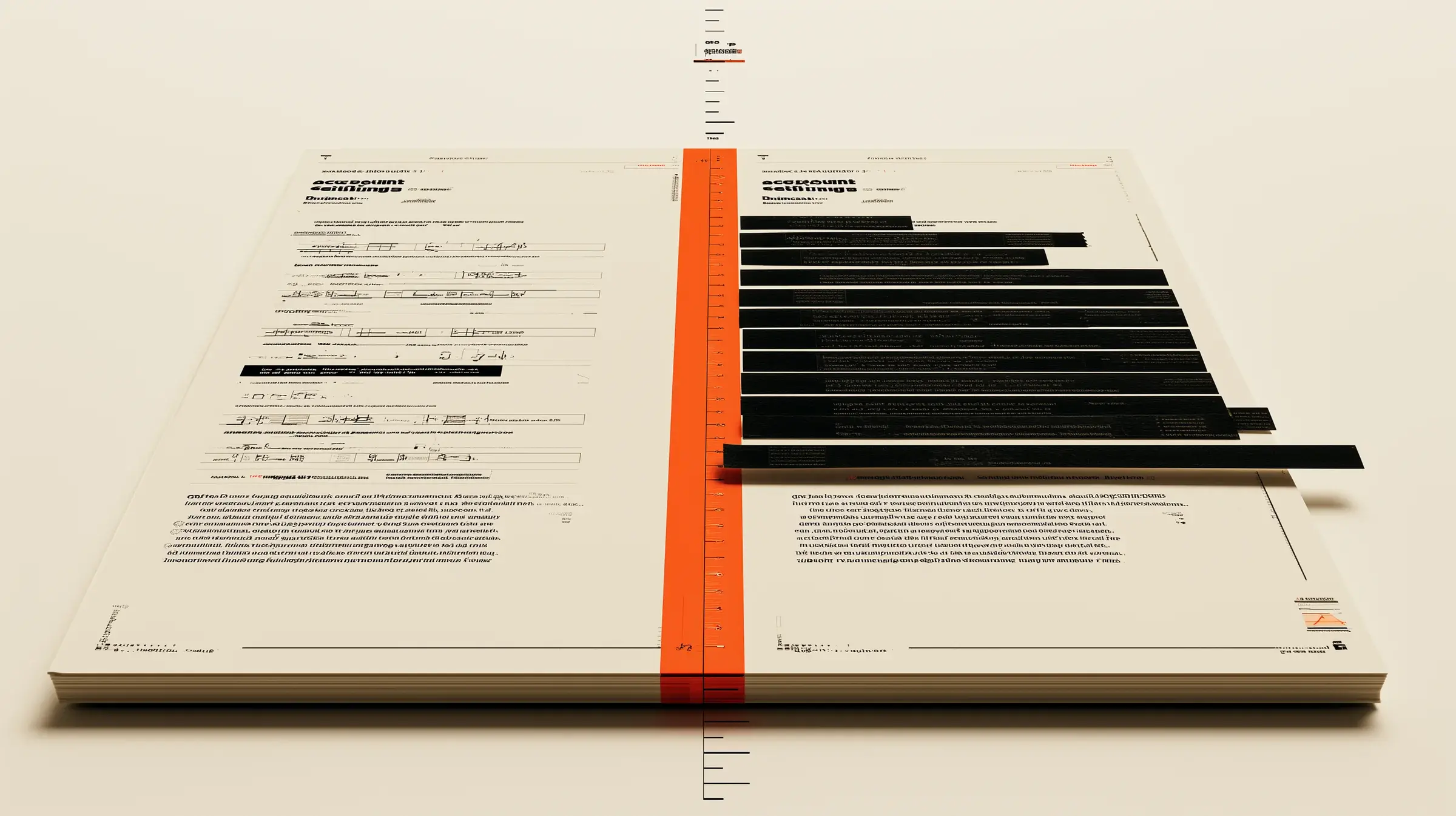
Practical workflow
A controlled four-step pass.
- 01
Classify the information
Credentials, payment data, exact identifiers, and private text require the strongest treatment. Faces or background context may only need obscuring depending on the risk.
- 02
Use solid blocks for secrets
A solid fill replaces every selected pixel in the exported PNG with one opaque color. It reveals less structure than a blur or coarse mosaic.
- 03
Use blur deliberately
Blur can communicate that something exists while reducing recognition. Use a generous area and never rely on it for active keys or precisely formatted text.
- 04
Inspect at full size
Open the exported copy, zoom in, and confirm the treatment covers every edge. Do not assume a small preview represents the final pixels.
Before you share
- Solid block used for credentials, cards, IDs, and private text
- Blur area extends beyond the face or object boundary
- No text remains visible around the edges
- The exported image has been opened and zoomed in
- The original file is not the one being shared
What this does not solve
- — Neither treatment removes clues outside the selected rectangle.
- — A redaction cannot undo a previous disclosure of the original.
- — Visual privacy needs differ; a blurred person may remain recognizable from clothing or surroundings.
What each style preserves
Blur mixes neighboring pixels, so color, length, layout, and rough shapes can remain. Pixelation preserves a coarse grid of color blocks. A solid fill replaces the region with a uniform value and is the safer default for structured text.
The export method matters too. MaskSnap renders the chosen treatment into a fresh PNG instead of placing a removable annotation layer over the original image.
A simple decision rule
If seeing the hidden value could grant access, identify a person, expose money, or reveal an exact private fact, use a solid block. Use blur only when preserving the sense of the scene is useful and the remaining visual clues are acceptable.
Use the real tool